
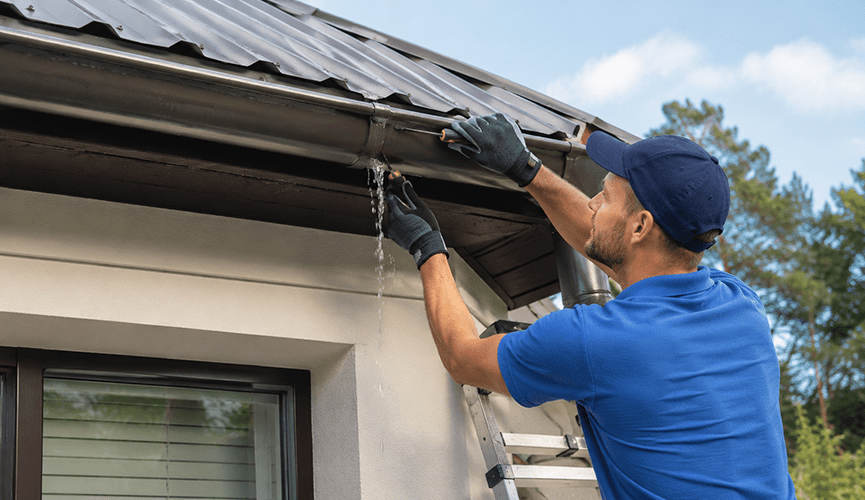
A dripping gutter might seem like a small annoyance, but it can quickly become a bigger problem if left untreated. Even a slow drip can lead to stained walls, damaged fascia boards, mould growth, and costly water damage around your property.
The good news is that many gutter leaks can be repaired without replacing the entire system. If you are searching for how to fix a dripping gutter, this guide will walk you through the most effective repair methods used by homeowners and professionals across Australia.
Whether the issue is a leaking corner joint, a rust hole, or a failed seam, understanding how to fix a dripping gutter correctly can save you money and prevent more serious problems later.
Common Signs and Causes of Leaking Gutters
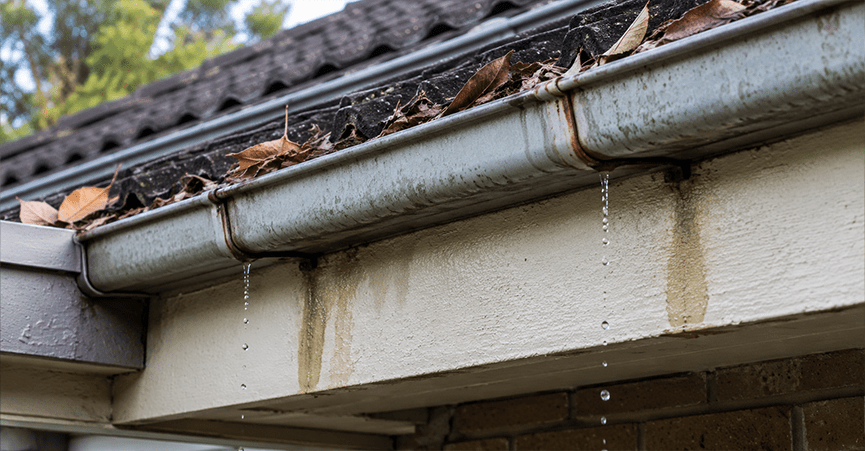
Before beginning any repair, it is important to understand why the gutter is leaking in the first place. Many homeowners focus on the visible drip without identifying the actual source of the problem. In many cases, the leak originates several metres away from where the water eventually appears.
Some common warning signs include:
- Water dripping from joints
- Overflowing sections during rainfall
- Peeling exterior paint
- Rust spots on gutters
- Water pooling near foundations
- Damp fascia boards
- Mould growth around roof edges
Recognising these signs early can make gutter repair much easier and less expensive.
How to Spot Hidden Water Damage and Structural Damage Around Your Roofline
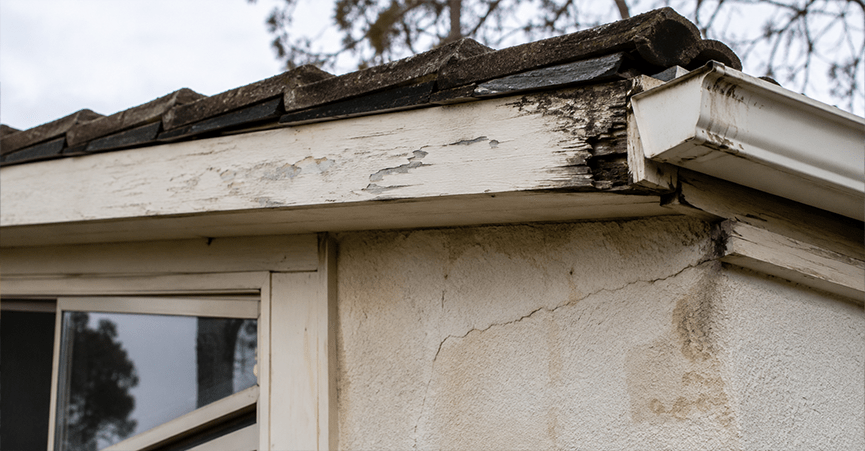
Not all gutter leaks are obvious. Sometimes the water enters wall cavities or roof structures before becoming visible. This hidden moisture can slowly weaken building materials and create expensive repair bills.
Look for:
- Soft timber around fascia boards
- Bubbling paint
- Water stains under eaves
- Cracks around window frames
- Damp patches inside ceilings
- Mould growth near roof edges
If ignored, leaking gutters can eventually contribute to serious structural damage. This is why homeowners should inspect their roofline regularly, especially after heavy rain.
Why Do Gutters Drip? (Corrosion, Sagging, and Degraded Joint Seals)
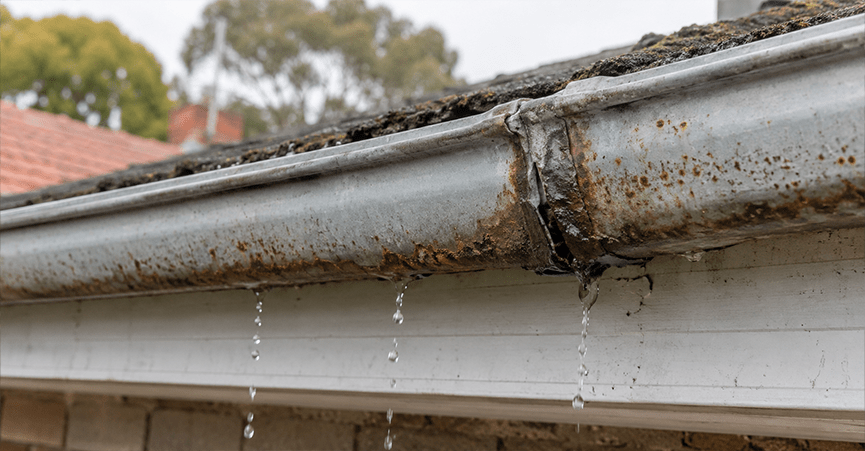
Most leaking gutters are caused by one of four issues.
Corrosion
Older metal gutters often develop rust holes over time. Once corrosion begins, water can slowly escape through weakened sections.
Failed Seals
Many gutters rely on sealants around joints and corners. These materials eventually crack, shrink, or separate due to weather exposure.
Sagging Gutters
Improper support allows water to pool inside the gutter. Standing water places stress on seams and increases the risk of leaks.
Blockages
Leaves, dirt, and debris can force water to overflow instead of flowing toward downpipes.
Understanding the root cause is the first step in learning how to fix leaking gutters permanently.
Tools and Materials Needed for Rain Gutter Leak Repair
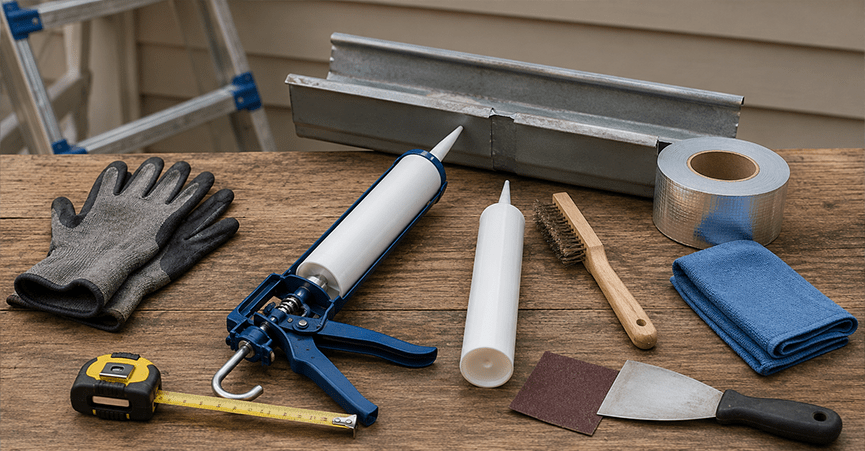
Before beginning any rain gutter leak repair, gather all necessary materials. Having the correct tools nearby makes the process faster and safer.
Basic Materials Checklist
- Quality gutter sealant
- Wire brush
- Cleaning cloths
- Sandpaper
- Ladder stabiliser
- Protective gloves
- Safety glasses
- Waterproof flashing tape
- Utility knife
- Garden hose
- Small scraper
Most of these items can be purchased from major Australian hardware stores.
Choosing the Best Gutter Sealant (Silicone vs. Polyurethane)
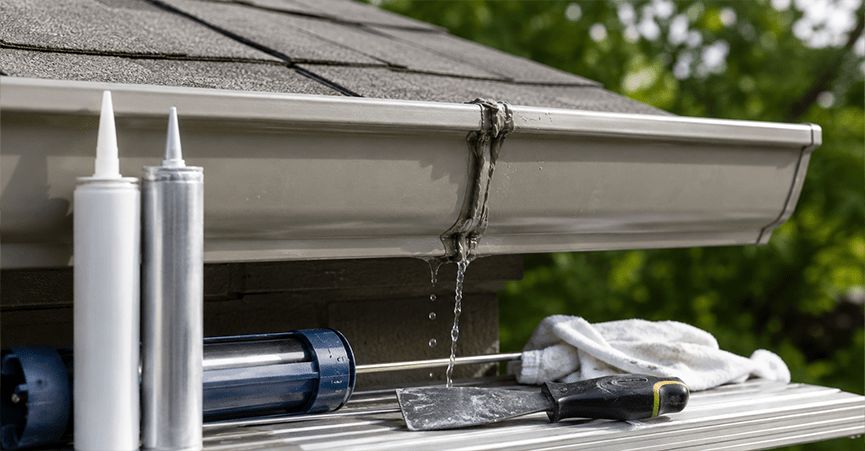
Choosing the correct sealant is critical for successful gutter leak repair. Not all sealants are designed for exterior gutter applications.
Silicone Sealant
Advantages:
- Easy to apply
- Flexible after curing
- Good weather resistance
Disadvantages:
- Can struggle on heavily weathered surfaces
- Not always ideal for structural repairs
Polyurethane Sealant
Advantages:
- Strong adhesion
- Excellent durability
- Better resistance to movement
- Longer lifespan
Disadvantages:
- Slightly more expensive
- Longer curing time
For most Australian gutter systems, polyurethane products generally provide the most reliable long-term performance. When performing repairs, always follow the manufacturer’s instructions before you apply the sealant.
The Essential DIY Toolkit: Safety Gear, Wire Brushes, and Weatherproof Tapes
Safety should always come first. Even minor gutter repairs involve working at height. Your repair toolkit should include:
- Stable ladder
- Non-slip footwear
- Protective gloves
- Safety glasses
- Harness for steep roofs
- Wire brush
- Waterproof repair tape
- Measuring tape
- Utility knife
A wire brush is particularly useful because it removes rust, dirt, and old sealant that may prevent proper adhesion.
Step-by-Step Guide: How to Fix Leaking Gutters Permanently
Many online repair guides skip important preparation steps. However, long-lasting repairs depend heavily on proper cleaning and surface preparation.
Follow these steps carefully for the best results.
Step 1: Clean, Clear, and Flush the System to Locate the Leak
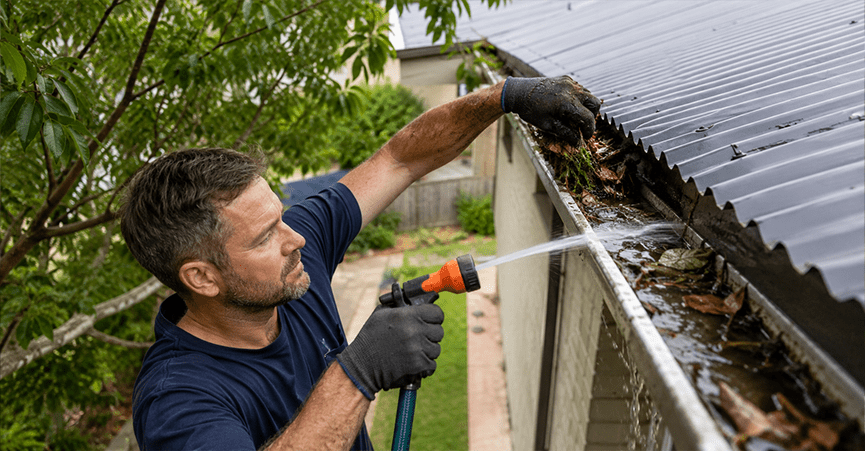
The first step in how to fix leaking gutters is identifying the exact leak location.
Start by removing:
- Leaves
- Twigs
- Dirt
- Nesting materials
Once the gutter is clean, flush water through the system using a garden hose.
Watch carefully for:
- Drips
- Seepage
- Overflow points
- Failed joints
Mark all leaking areas using a pencil or masking tape. This process often reveals multiple leak points that were previously hidden beneath debris. If the gutter is heavily blocked, cleaning alone may solve part of the problem.
Step 2: Surface Preparation (Removing Rust and Thorough Drying)
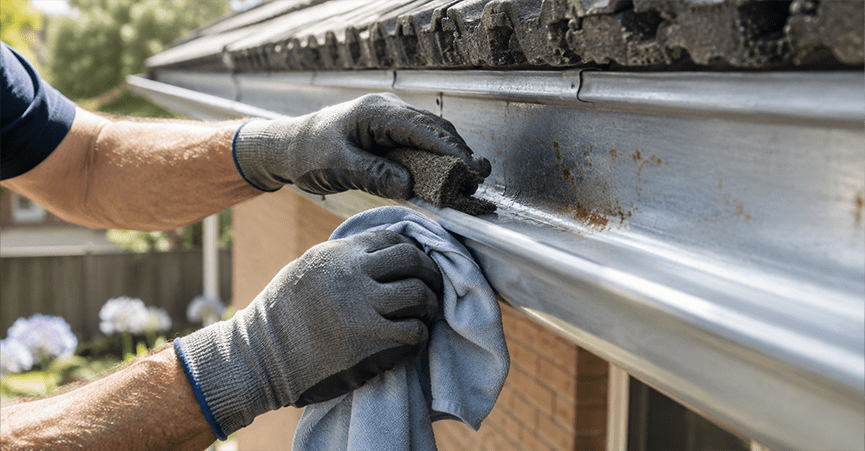
Proper preparation is often the difference between a repair that lasts months and one that lasts years. Before applying any product:
- Remove loose rust with a wire brush.
- Scrape away old sealant.
- Sand rough surfaces.
- Wipe the area clean.
- Allow the gutter to dry completely.
Many failed repairs occur because homeowners try to seal wet or dirty surfaces. Even the best sealant will struggle to bond properly if moisture remains underneath.
This step is especially important when performing rain gutter leak repair on older metal gutters.
Step 3: Apply the Sealant for Small Holes and Gutter Seams
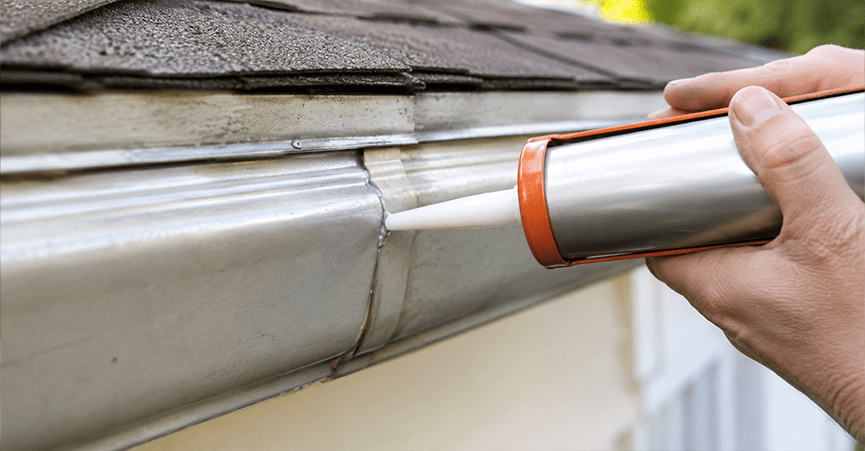
Once the area is clean and dry, you can begin sealing minor leaks. Using a caulking gun:
- Apply a continuous bead of gutter sealant over the damaged area.
- Extend beyond the visible crack by several centimetres.
- Smooth the sealant using a gloved finger or finishing tool.
- Ensure full coverage around seams and joints.
Be careful not to leave gaps.
When you apply the sealant, focus on creating a flexible waterproof barrier that can expand and contract with changing temperatures.
This method works particularly well for:
- Hairline cracks
- Joint separations
- Small seam leaks
- Minor pinhole corrosion
For many homeowners researching how to repair gutter leaks, this simple process is often enough to stop the problem completely.
Step 4: Patching Larger Holes with Aluminum Flashing Tape
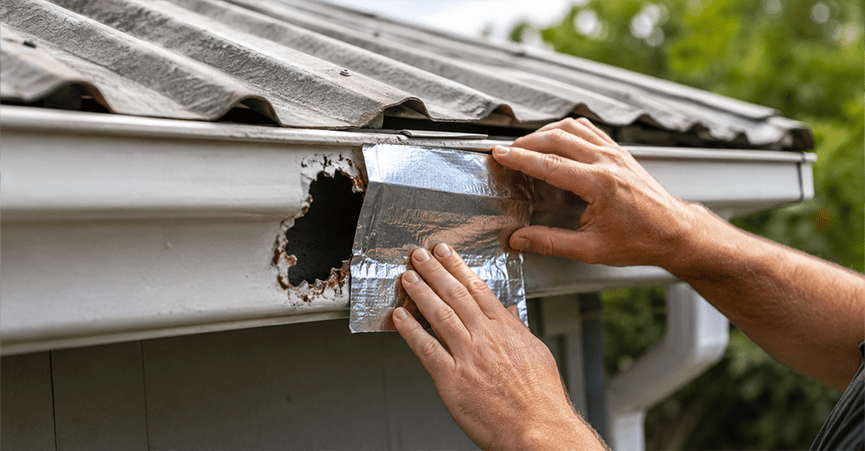
Sealants work well for small cracks, but larger holes usually need reinforcement. If the damaged area is bigger than a few millimetres, use waterproof aluminium flashing tape or a metal patch.
How to Fix Gutters That Leak Through Larger Holes
- Clean the area thoroughly.
- Remove rust and loose material.
- Cut flashing tape slightly larger than the hole.
- Press the tape firmly over the damaged section.
- Smooth all edges to remove air pockets.
- If required, apply a thin layer of sealant around the edges.
This method creates a stronger repair and helps prevent future leaks. For older gutters with multiple rusted areas, patching may only provide a temporary solution. In such cases, professional gutter installation adelaide services may be more cost-effective than repeated repairs.
Step 5: Testing Your Leaking Gutter Repair Work
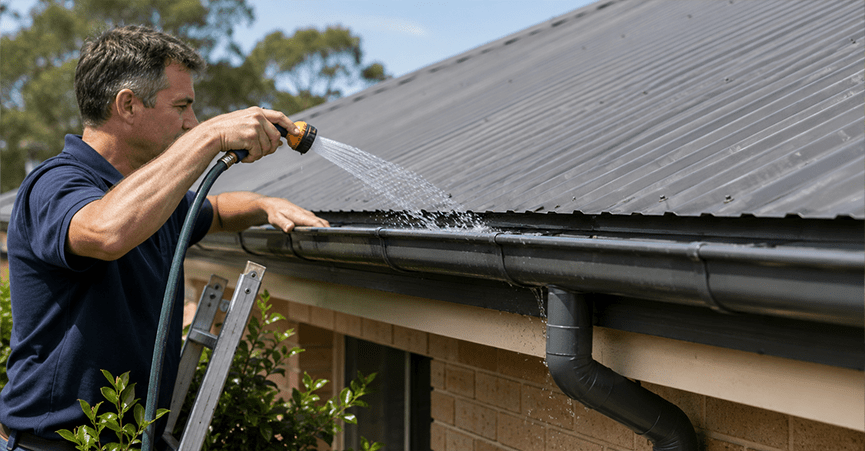
Once repairs are complete, test the gutter before the next rainfall. Run water through the system using a garden hose and observe:
- Joints
- Corners
- End caps
- Patched sections
- Downpipe connections
Look for any signs of dripping or seepage. If water remains inside the gutter without leaking, the repair has likely been successful.
Testing also helps identify secondary issues that may have been hidden before the original repair.
How to Repair Gutter Leaks Based on Material and Location
Not every gutter system requires the same repair method. One of the biggest content gaps on competitor websites is that they rarely explain how repairs vary based on material type.
Fix Gutter Leak Issues in Metal vs. PVC/Plastic Gutters
Metal Gutters
Metal systems are common across Adelaide and often develop:
- Rust holes
- Corrosion
- Failed seams
- Joint separation
For metal gutters:
- Remove rust completely
- Prime exposed metal if necessary
- Use polyurethane sealant
- Reinforce larger holes with flashing tape
Metal gutters generally allow stronger repairs because patching materials bond effectively to the surface.
PVC and Plastic Gutters
Plastic systems do not rust but may:
- Crack under UV exposure
- Become brittle over time
- Separate at joints
For plastic gutters:
- Use sealants designed for PVC
- Avoid aggressive sanding
- Replace heavily cracked sections
When learning how to fix rain gutter leaks, always identify the gutter material first because the wrong repair product can fail quickly.
How to Fix Rain Gutter Leaks at the Corner Joints and End Caps
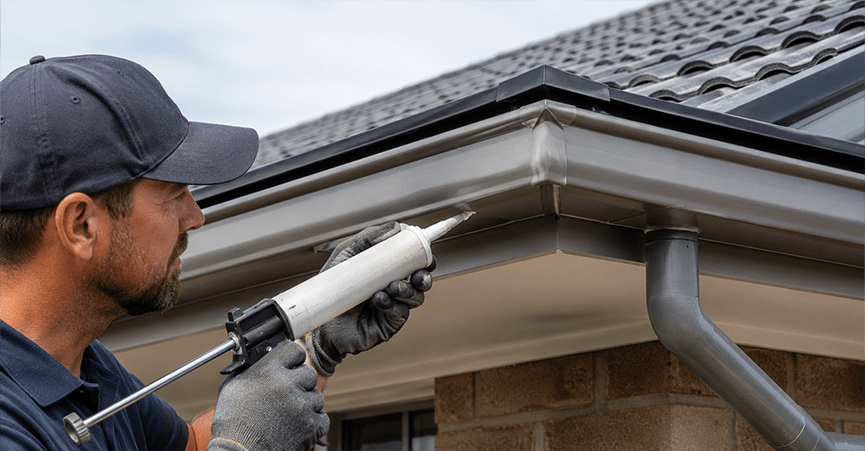
Corner joints are among the most common leak locations. They experience constant movement due to:
- Temperature changes
- Water pressure
- Structural movement
To repair leaking corners:
- Remove old sealant completely.
- Clean the area thoroughly.
- Allow it to dry.
- Apply a fresh bead of gutter sealant.
- Smooth and shape the sealant evenly.
End caps require a similar process. Many homeowners attempting a fix gutter leak project overlook the importance of removing old sealant first. Applying new sealant over failing material often results in another leak within months.
Quick Solutions: How to Fix Gutters That Leak During Heavy Rain
Sometimes repairs cannot wait for perfect weather. Many people search how to fix gutters that leak because water is actively entering their home during a storm.
Even though a long-term repair is still necessary, temporary measures can help limit immediate damage.
Emergency Rain Gutter Leak Repair Using Waterproof Patching Tapes
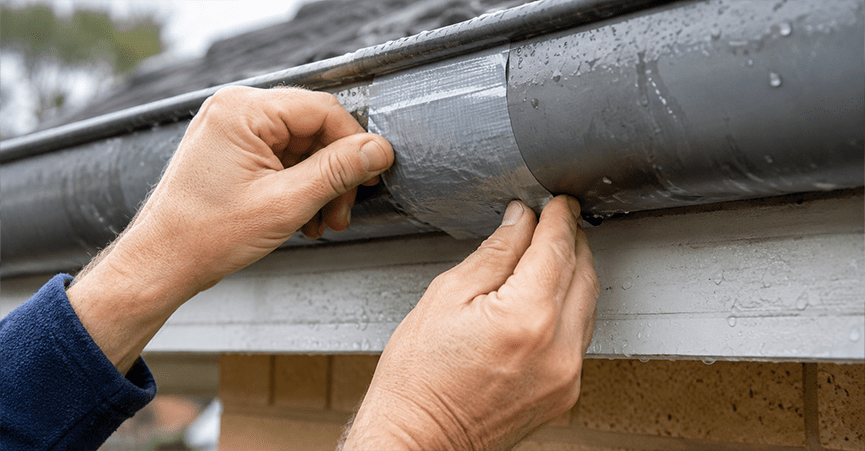
Waterproof repair tapes can provide short-term protection when immediate action is required.
They are useful for:
- Small holes
- Temporary seam repairs
- Emergency storm situations
Keep in mind that these products are designed as temporary solutions. Once conditions improve, perform a full gutter leak repair using proper preparation and sealing methods.
What to Do If Your Gutter Is Overflowing Instead of Dripping (Correcting the Slope)
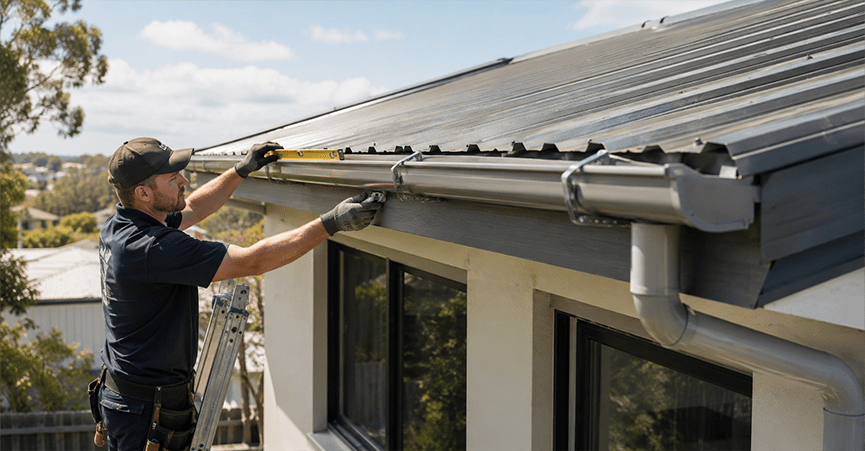
Not every gutter leak is actually caused by a hole. Overflowing gutters often indicate:
- Blockages
- Incorrect pitch
- Insufficient drainage
Water should flow steadily toward the downpipe. If water pools inside the gutter, inspect the slope carefully. Correcting the fall may involve:
- Repositioning brackets
- Tightening fasteners
- Re-levelling gutter sections
This is a common issue that many DIY guides overlook when discussing how to fix leaking gutters.
Adelaide Weather & Gutter Maintenance: How to Prevent Future Leaking Gutters
Repairing the leak is only half the job. Long-term prevention is equally important. Adelaide experiences:
- Hot summers
- Strong UV exposure
- Seasonal storms
- Heavy leaf fall
- Bushfire conditions
These environmental conditions continuously affect gutter systems. Regular maintenance reduces the likelihood of future repairs and extends the life of your roof and guttering system.
Protecting Your Gutter Repair from Intense SA Summer Heat and UV Radiation
South Australian summers can be tough on building materials. Extreme temperatures may cause:
- Sealant shrinkage
- Material expansion
- Joint movement
- Accelerated ageing
To protect repairs:
- Use UV-resistant sealants
- Inspect joints annually
- Remove standing debris
- Check for cracking after summer
Choosing quality repair materials helps improve long-term durability.
Establishing a Biannual Gutter Cleaning Routine
One of the best ways to prevent future leaking gutters is maintaining a consistent cleaning schedule. Experts generally recommend cleaning gutters:
- Once in autumn
- Once in spring
Properties surrounded by gum trees may require additional maintenance. Regular cleaning helps:
- Improve water flow
- Reduce corrosion
- Prevent blockages
- Minimise overflow
- Extend gutter lifespan
Many homeowners also install gutter guards as part of broader gutter guards services to reduce maintenance requirements.
DIY vs. Professional Gutter Leak Repair: When to Call an Adelaide Roof Plumber
DIY repairs work well for minor leaks, but some situations require professional assistance. Consider professional help if you notice:
- Extensive rust
- Multiple leaking sections
- Sagging gutters
- Damaged fascia boards
- Persistent overflow
- Significant structural movement
A qualified contractor can assess whether repair or replacement offers better value. For severe issues, professional gutter guard installation adelaide services can identify hidden damage before it becomes a major problem.
Professionals also have access to specialised equipment and safety systems that are not practical for most homeowners.
When Gutter Repair Becomes Gutter Replacement
Not every leaking gutter should be repaired. Replacement may be necessary when:
- Rust affects large sections
- Multiple patches already exist
- Gutters are pulling away from the house
- Joints fail repeatedly
- Water damage continues despite repairs
In these situations, gutter installation adelaide specialists can recommend the most practical solution. A new system may initially cost more but often delivers better long-term performance than ongoing repairs.
Final Thoughts
Learning how to fix a dripping gutter can save homeowners from expensive repairs and unnecessary stress. Most minor leaks can be repaired using proper cleaning, preparation, and a quality gutter sealant. However, ignoring small drips often leads to larger issues such as water damage, mould growth, and even serious structural damage around your home.
While DIY repairs can be effective for small problems, recurring leaks often indicate deeper issues within your roof and guttering system. Rusted sections, sagging gutters, failed joints, and ongoing overflow may require more than a simple patch job.
If you’re tired of repeated repairs, Auspro Gutter Guard provides long-term roof and gutter solutions designed specifically for South Australian conditions. From professional roof and gutter repairs Adelaide homeowners can rely on, to complete gutter repair and replacement Adelaide services, Auspro helps protect properties from leaks, blockages, and costly water damage.
With high-quality materials, experienced workmanship, and solutions built for Adelaide’s harsh weather conditions, Auspro delivers durable protection that goes beyond a temporary fix.
Whether you need expert repairs, preventative maintenance, or a complete gutter upgrade, investing in the right solution today can save you significant time, money, and stress in the future.
Frequently Asked Questions
What is the longest-lasting sealant for Australian gutters?
Polyurethane sealants generally provide the best long-term performance because they offer strong adhesion, flexibility, and weather resistance.
Can I use regular bathroom silicone to fix gutter leak spots?
Bathroom silicone is not usually recommended. Exterior-grade gutter sealants are designed to withstand UV exposure, rain, and temperature changes.
How long does gutter repair sealant take to dry before it rains?
Drying times vary by product, but many sealants require at least 24 hours before exposure to heavy rainfall. Always check manufacturer guidelines.
Is a dripping gutter covered by home insurance in South Australia?
Coverage depends on the cause of the leak and your specific policy. Sudden storm damage may be covered, while general wear and lack of maintenance usually are not.